
How Professional Tennis Became a Testing Ground for AI: 7 Technologies Already Changing the Game
Tennis Has Become a Technology Sport: 7 Innovations Already Changing the Game
Not long ago, tennis was impossible to imagine without disputes with line judges. One gesture, one pause, one challenge - and the match turned into a small drama.
Today, that scene is becoming history. Since 2025, the ATP Tour has fully switched to electronic line calling, and Wimbledon eliminated line judges across all courts in the same year.
Tennis hasn’t become less intense - it has simply become more precise, faster, and significantly more technological.
Professional tennis has quietly turned into one of the most technology-driven sports - a true testing ground where AI, computer vision, wearables, and biomechanical sensors are being tested. And all of this is rapidly moving from ATP and Grand Slam tournaments down to academies, clubs, and even amateur players.
Let’s break down seven technologies that are already changing the game.
1. Electronic Line Calling: The End of the Line Judge Era
This is perhaps the most visible transformation in recent years.
Since 2025, the ATP has fully transitioned to Electronic Line Calling Live, and Wimbledon removed line judges after 147 years of service, implementing electronic officiating across all courts.
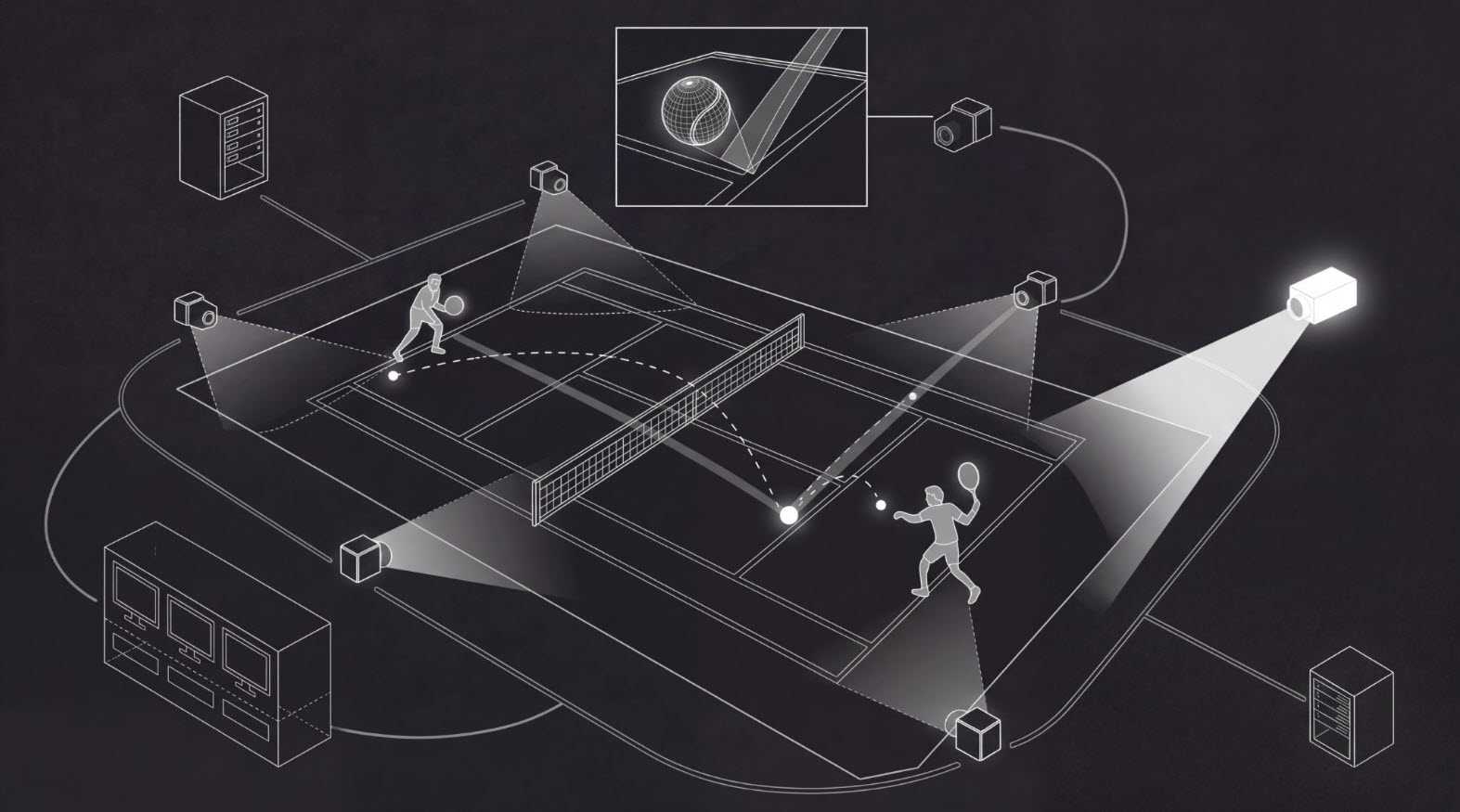
How it works: cameras track the ball in real time, calculate the exact landing point, and instantly deliver a call. No delays. No fatigue. No human factor. Accuracy exceeds what the human eye can perceive.
But the key point is not just officiating. The system generates a massive volume of data that can be used further - for analytics, broadcasting, and building new AI tools.
2. Match Analytics: Every Rally Becomes Data
Previously, match data lived somewhere in reports and spreadsheets. Now it works in real time during play.
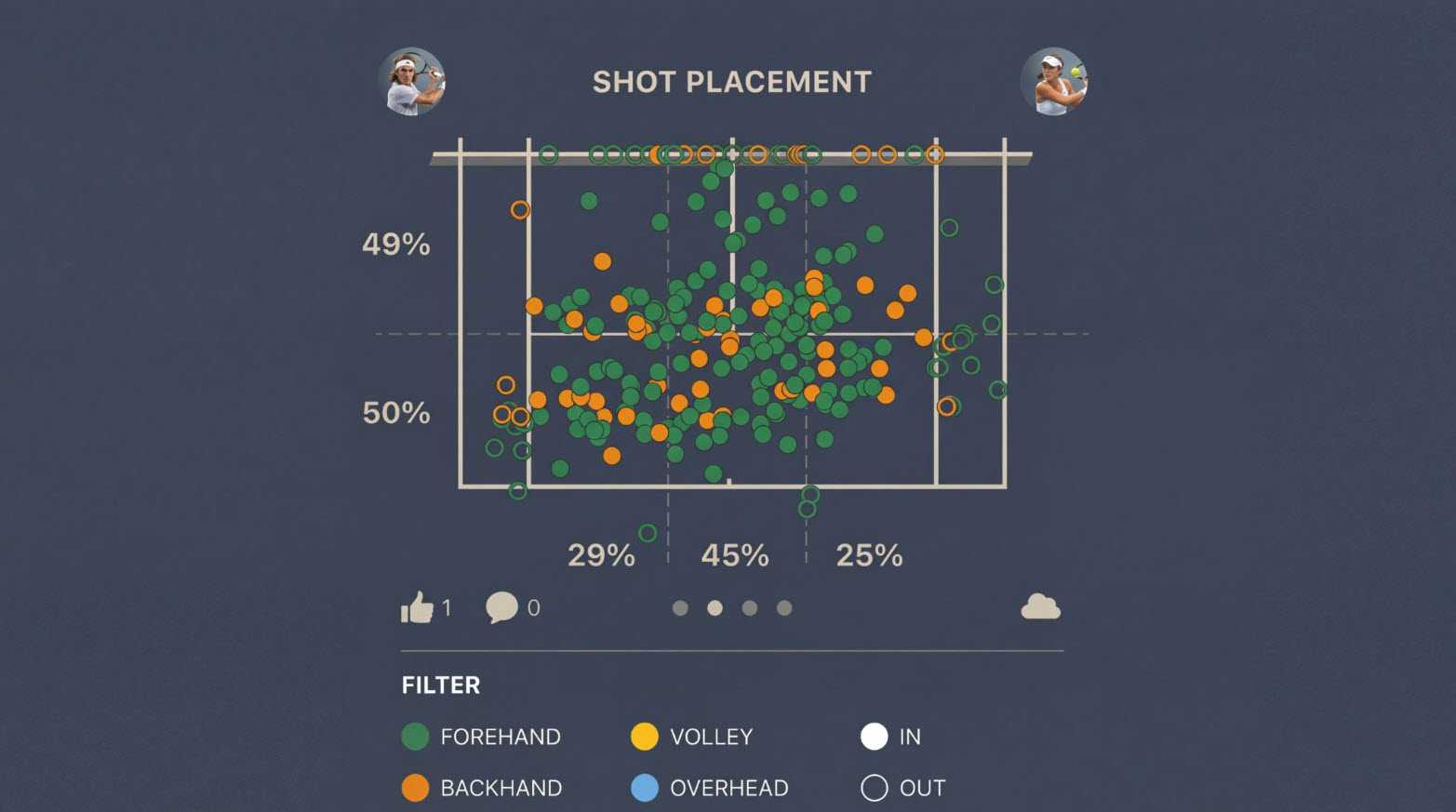
In 2025, IBM introduced Match Chat and updated AI-powered win probability graphs for Wimbledon, turning the broadcast into an interactive analytics layer.
The ATP had earlier launched Tennis IQ - a platform that opened access to advanced match analytics and historical data for players.
In the broader tennis ecosystem, AI insights like Microsoft Match Insights help analyze performance and generate recommendations based on gameplay data.
A notable example is Microsoft Match Insights at the 2025 Billie Jean King Cup final. The system was powered by Hawk-Eye and Azure cloud services, processing match data in real time and delivering tactical recommendations during play.
In practice, this means not just attractive statistics, but deeper game analysis:
- what is happening in the rally
- how the tempo is changing
- where the opponent’s weak spot is
- when the player begins to fade physically
Tennis has always been a sport of repetition. Now every repetition becomes training data.
3. Wearables in Competition
Wearable devices used to be exclusively for training. Now they are increasingly entering competitive play.
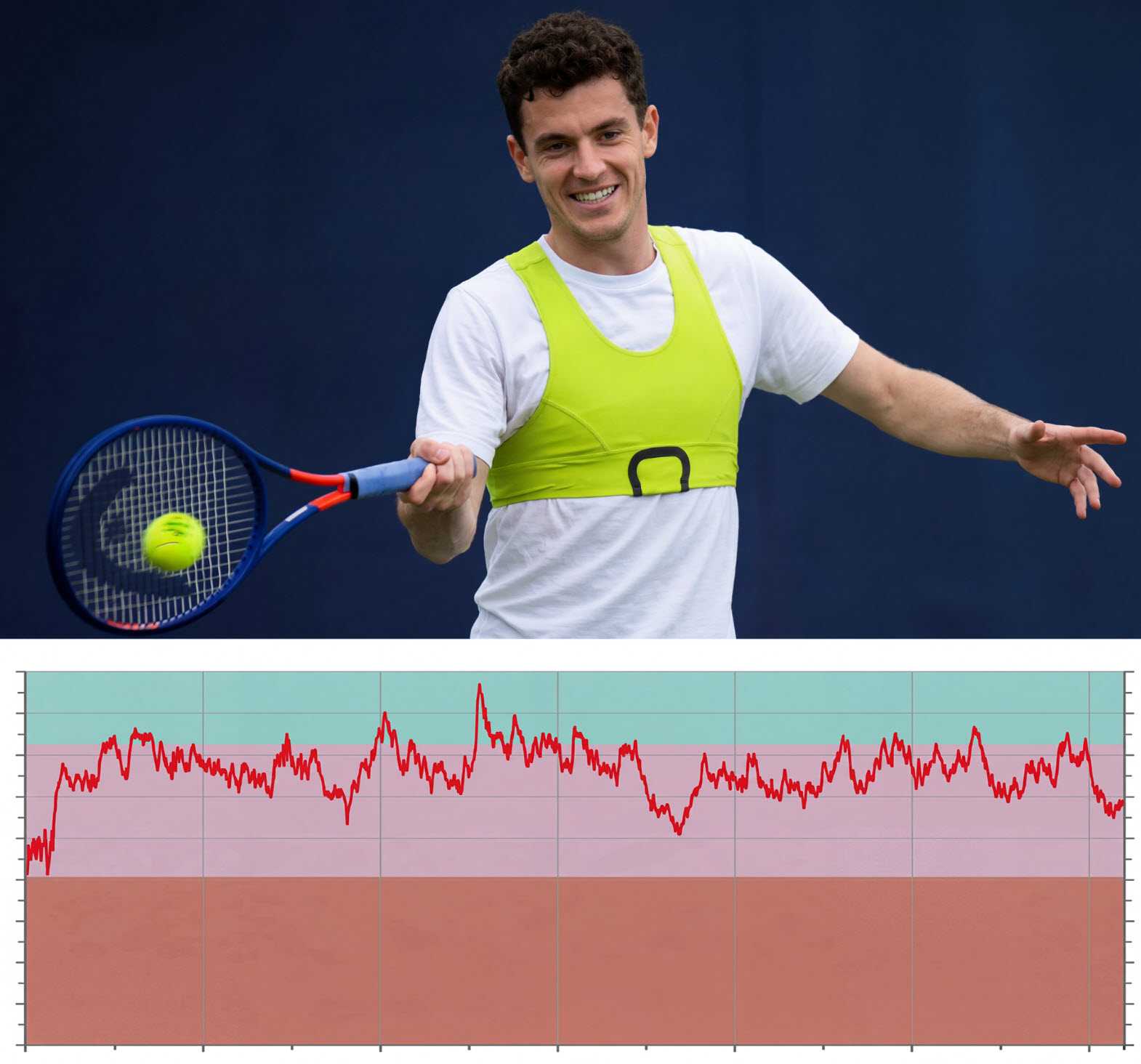
The WTA approved WHOOP for in-match use back in 2021, and in 2024 the ATP and ITF allowed certain wearable solutions in competition, including devices from Catapult Sports and STATSports. All data is centrally fed into ATP Tennis IQ.
What is measured
- heart rate
- physical load
- movement
- intensity
For coaches, this is especially valuable: fatigue can be detected not after the match, but during play.
Although usage rules may vary across tournaments, the trend is clear - biometrics are becoming an integral part of professional tennis.
4. Smart Rackets and Sensor-Integrated Equipment
Data is no longer collected only by cameras.
The next frontier is the racket itself. The ATP has officially approved rackets with integrated sensors for competition, and the industry has rapidly moved in this direction: sensors in the handle or frame record racket head speed, angle at impact, spin, and contact point. Every swing is no longer invisible.
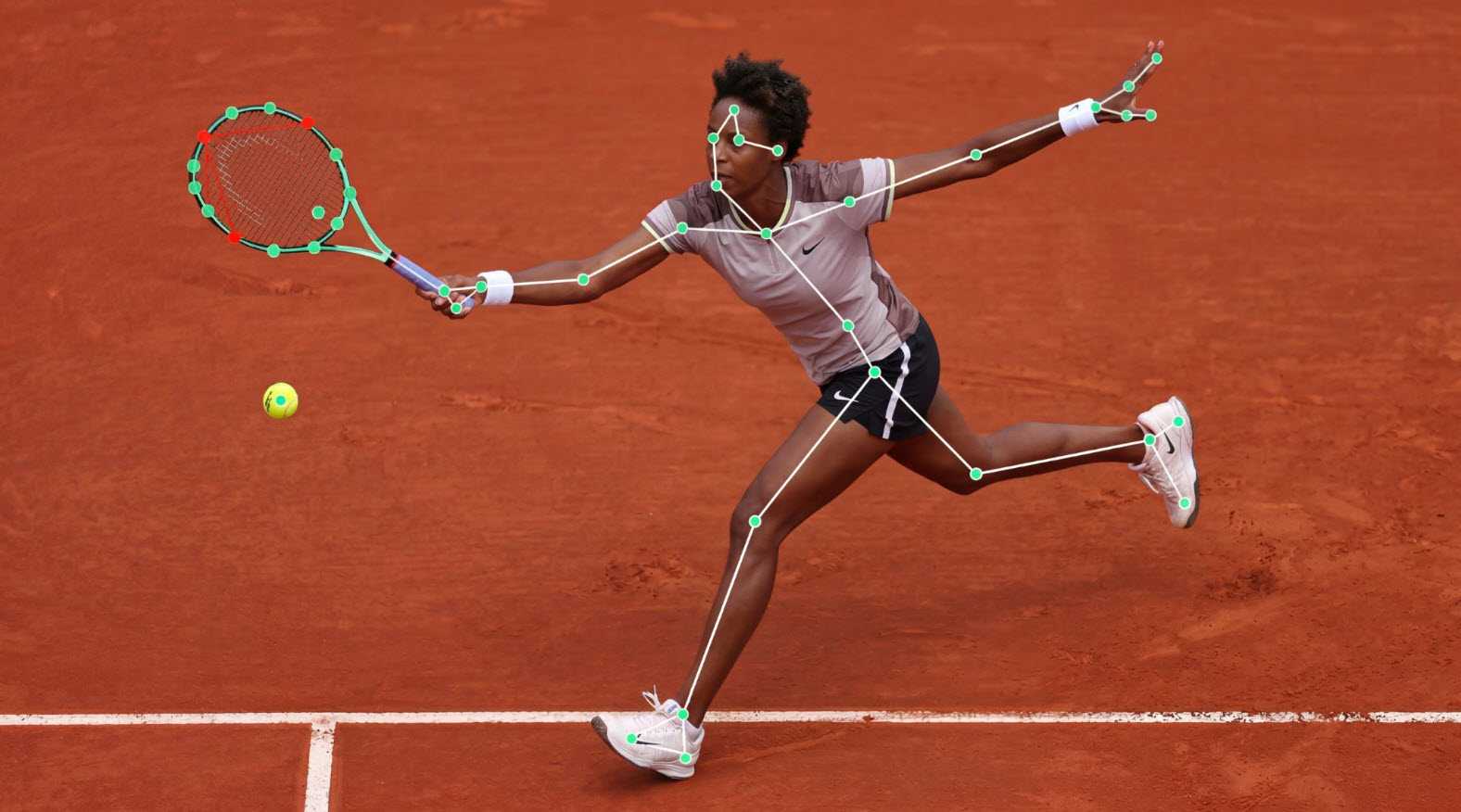
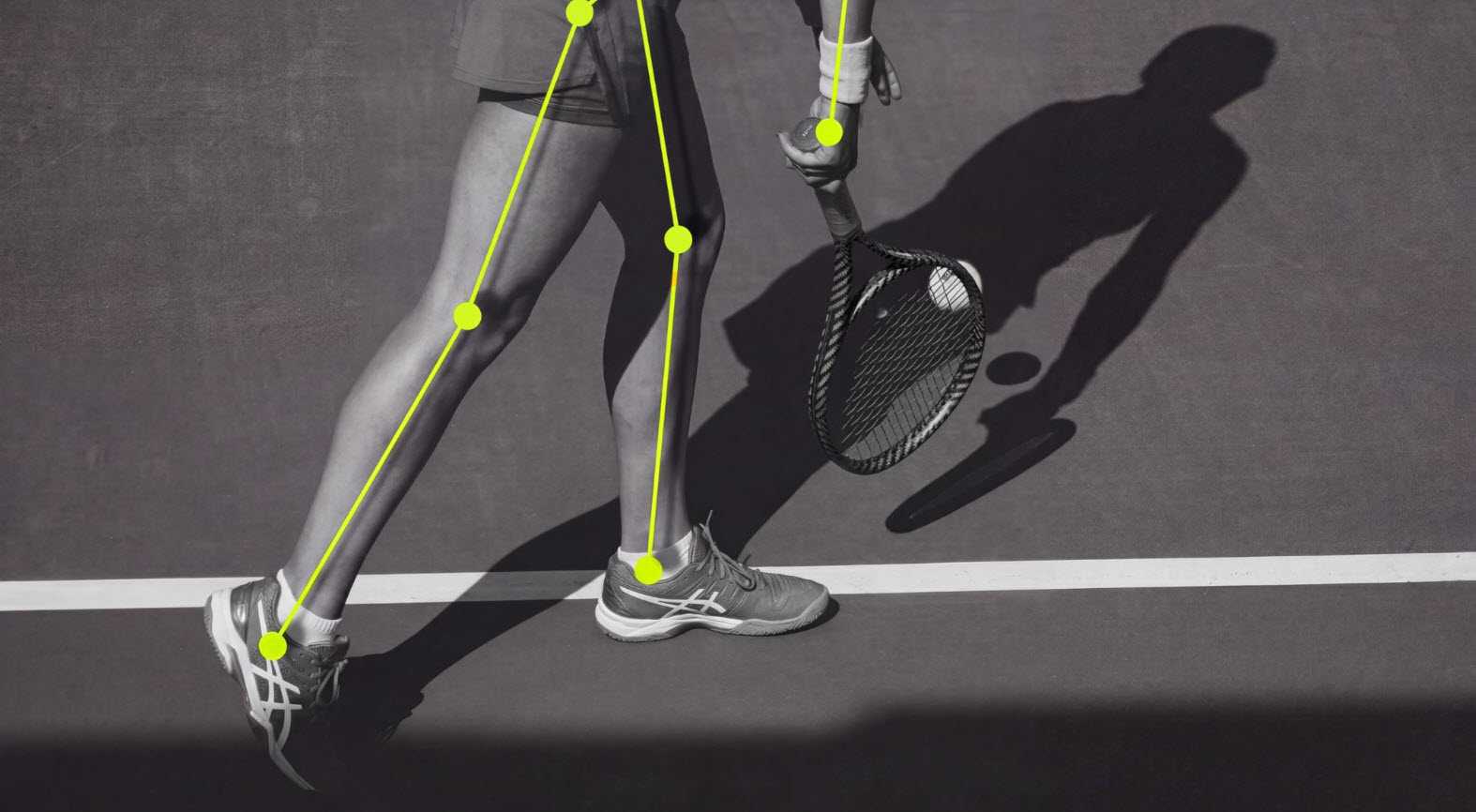
Modern rackets (such as Babolat Play) can track racket head speed, spin, contact point and swing trajectory. Another example is Hawk-Eye SkeleTRACK, which tracks 29 body points and 7 key racket points.
At Inventale, we have developed our own racket sensors - available in two configurations for different use cases.
The first is full customization. An ultra-light sensor is embedded directly into a player’s racket, adapted to their grip, balance, and playing style. The weight and balance remain unchanged - the player feels no difference but every shot now captures racket angle at impact, swing speed and direction, and vibration patterns. This solution is designed for professionals and high-level players committed to a single setup.
The second is a removable training sensor. It attaches to any racket without modification and can be removed after the session. This is about accessibility and flexibility: a coach can use one sensor across multiple players, and a player can add analytics to their existing racket without changing equipment. The same level of data, without requiring customization.
Both options feed into a unified analytics system - the only difference is the usage scenario. The principle is the same: every shot becomes a measurable event, not just a feeling.
Optical tracking provides an external view. But there is data that cameras cannot capture: how muscles actually work during each phase of a stroke - where overload occurs, where compensation begins, where future injury hides. This is where EMG sensors come in - and where we go further: our flexible sensors are attached directly to the body and capture muscle activation in real time, complementing racket data.
In effect, this is full motion capture without a lab.
5. Biomechanics and Injury Prevention
This is where the most important layer begins.
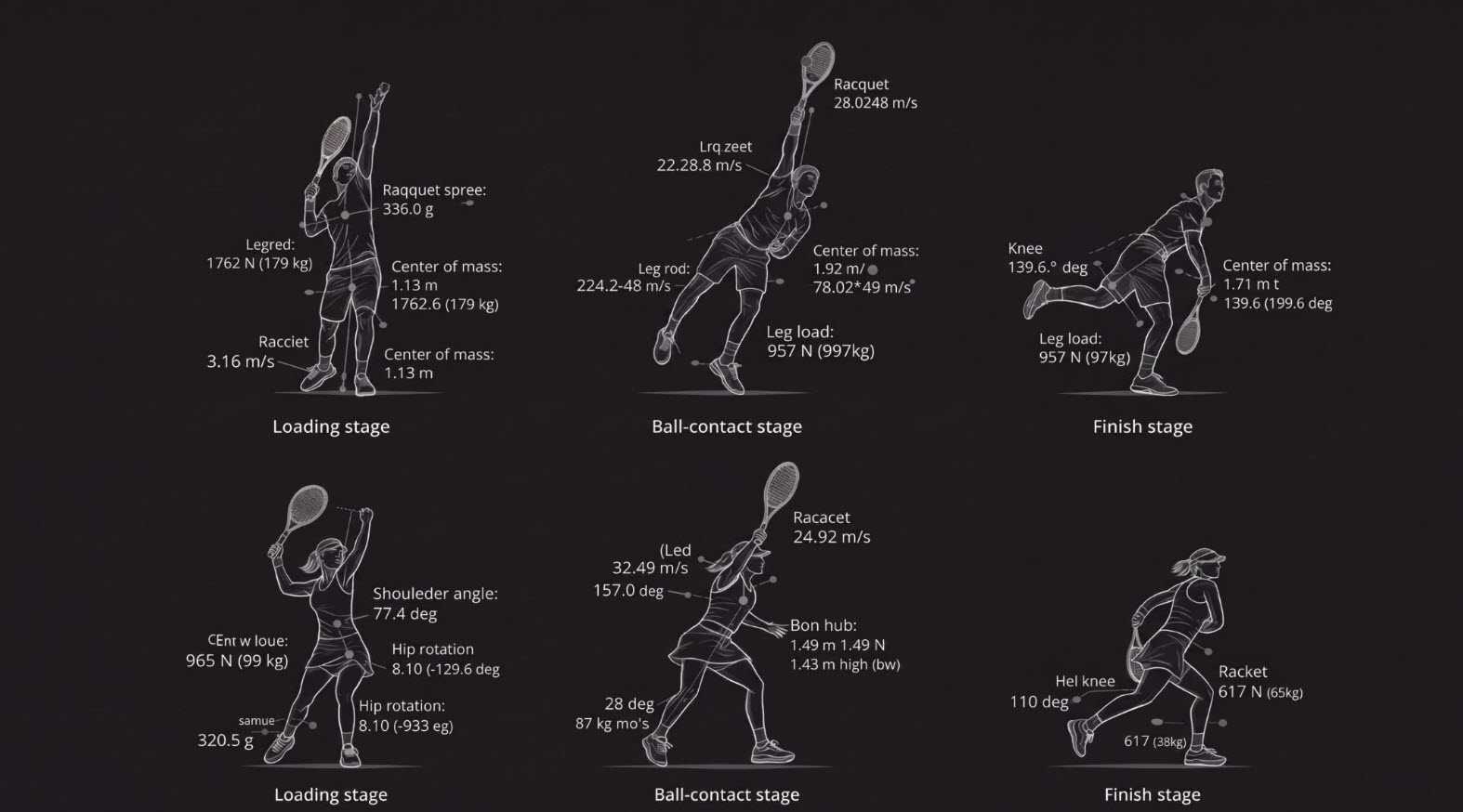
Biomechanical and EMG sensors are already used to analyze muscle activation, asymmetry, and injury risk factors in tennis.
AI analyzes this data and helps detect deviations from a player’s normal movement patterns before they become a problem.
In a sport where an injury can cost a season or a career, this is critical.
But it is more accurate to speak not about “magical pain prediction,” but about precise load monitoring and early risk detection.
This is exactly what we focus on at Inventale. Our platform combines flexible EMG sensors with AI analysis, allowing us to see not only stroke mechanics externally but also how muscles work in each phase of movement. The system detects deviations from an individual baseline - the micro-changes that precede overload.
This does not replace doctors or coaches. It provides an additional layer of data that did not exist before.
6. AI Coaches and Video Analysis
What used to take hours of manual work can now be done in minutes.
Analysis systems can automatically recognize strokes, evaluate technique, compare players to reference models, and analyze opponent patterns. They can suggest tactical adjustments, technical corrections, and preparation strategies for specific opponents.
In our previous project, Sportex - focused on motion analysis - we confirmed that this approach works in real-world conditions, not just in laboratory settings.
That experience forms the foundation of what we are now building for tennis.
Platforms like Tennis IQ and Match Chat demonstrate that AI analysis has already become part of the real tennis ecosystem, not just experimental technology.
This is especially important: access to professional-level analytics is expanding, which is reshaping grassroots sport as well.
7. Intelligent Scorekeeping: The Foundation of All Analytics
Everything starts with the basics: what actually happened in a match.
Traditionally, scoring was manual, often lost, and not always converted into usable data.
Now match data is increasingly captured digitally - at tournaments, in apps, and within analytics systems.
We built our own tool for this - a scorekeeper app for Apple Watch. At first glance, it’s simply a convenient way to track score during play. In reality, it is the first structured layer of match data.
The interface shows the current game score and set score at a glance. It indicates who is serving and from which side. A rollback function allows quick correction of mistakes. Reset and other infrequent actions are placed in a secondary menu - keeping the main screen focused and uncluttered.
This structured data layer is what enables live analytics, probability models, and real-time recommendations.

What This Means for the Industry
If we put everything together, the picture becomes clear:
Tennis is becoming a fully digitized sport.
The court has cameras. The player has sensors. The racket has sensors. Every shot is data. And that data is analyzed in real time.
What exists today at ATP and Grand Slam tournaments will become standard in regular clubs within a few years. Electronic line calling is already moving down through ITF levels. Wearables are becoming smaller and more affordable. AI platforms are opening up to a broader audience.
Tennis is becoming a benchmark sport for AI analytics. Every landing point, every serve speed, every movement pattern can be precisely recorded. And this is why technologies developed in tennis will transfer to other racket sports - squash, padel, badminton.
The core idea is simple: not to replace humans, but to give them what they cannot see.
Inventale: The Infrastructure of the New Tennis
At Inventale, we operate exactly at this intersection - where data from the racket, the body, and the court come together and start to speak as one.
Our racket sensors are proprietary, available in two formats. For professional players - full customization: an ultra-light sensor embedded in the handle, preserving balance and feel, capturing every shot from within — angle at impact, swing speed, vibration patterns.
For training and broader use - a removable sensor: attachable to any racket, removable after sessions, usable across multiple players.
Flexible EMG sensors add what racket sensors cannot see: how muscles work in each phase, where load accumulates, where compensations emerge before injury. This is not an external view - it is data from inside the body.
AI analysis and computer vision connect everything: spatial movement, stroke mechanics, muscle activation - into a unified player profile that evolves from session to session.
And finally - the Apple Watch scorekeeper as the foundational data layer: structured scoring, serve tracking, rollback. The base without which all analytics lose context.
Most systems on the market operate within a single layer: video, body sensors, or racket data. We combine all layers - and this is what enables insights unavailable to any single approach.
On our website, we explore solutions for tennis and racket sports in more detail - from AI analytics and training assistants to EMG sensors and biomechanical assessment.
Tennis has already become the laboratory of the future of sport.
And given the pace of development, that future will arrive much faster than it seems.


